
EmployTest Logo

Electrical Mechanical Aptitude Test

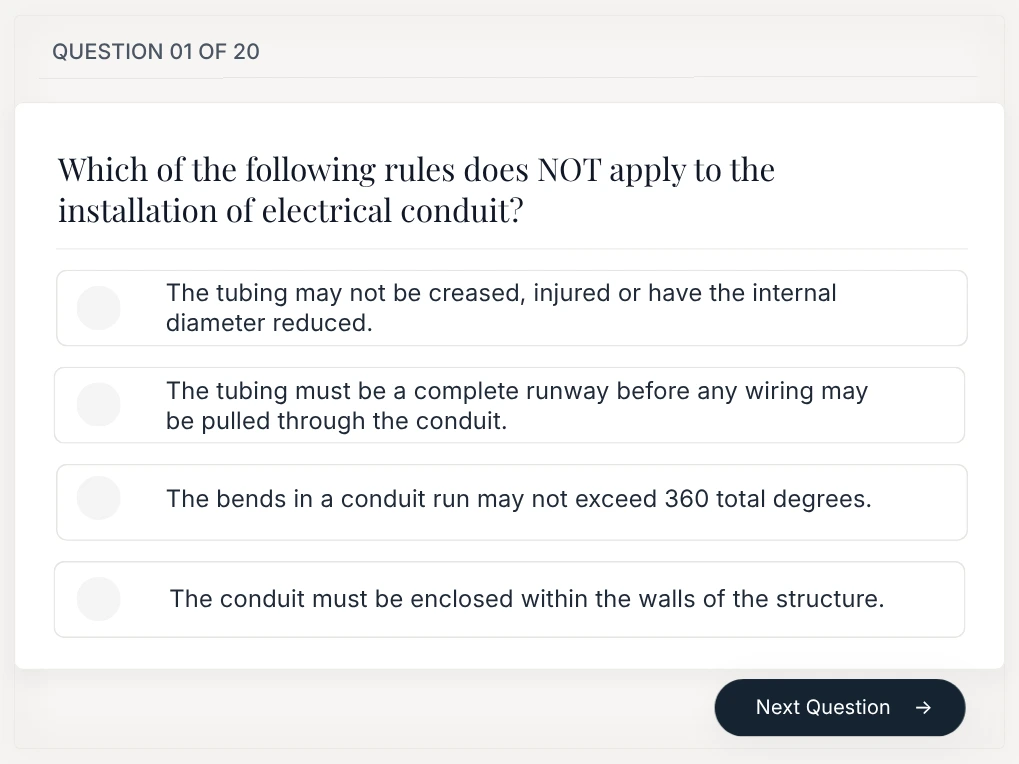
The Electrical Mechanical Aptitude Test helps you spot qualified applicants fast. Use it as your electrical aptitude test for employment screening across any trade or industrial role. It covers the skills that matter most on the job:

  1.   Basic wiring setups
  2.   Common fixtures and materials
  3.   Electrical tools and equipment
  4.   Key safety practices and regulations

Studies show pre-employment tests are one of the strongest predictors of on-the-job performance. Want to try it first? This electrical mechanical aptitude test is free to sample before you buy.

Buy Now

Score Report: Industrial Electrical Skills

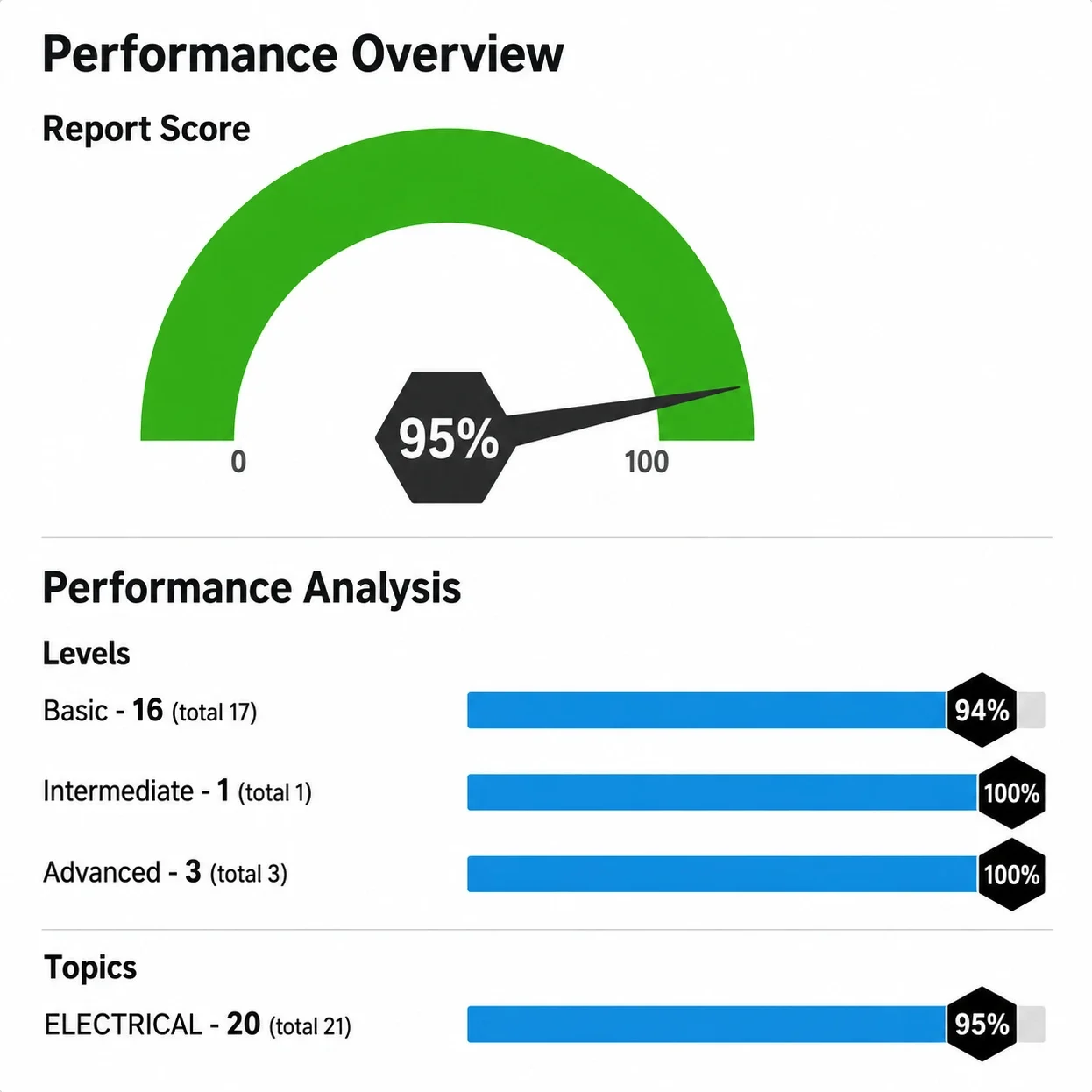
This electrical mechanical pre-employment test includes a score report showing how well each applicant performs. You can see results broken down by:

  1.   Percent of questions completed by level: basic, intermediate, advanced
  2.   Topic-by-topic score breakdown (grounding, standards, lighting)
  3.   Response time per question

This makes it easy to compare candidates side by side. No guessing. No gut calls. Just clear data on who knows their stuff. Research from SHRM shows 79% of HR professionals say skills assessment scores are just as important as traditional hiring criteria.²

For guidance on choosing the right test for your technical roles, see which industrial skills assessments to use.


Hire Smarter Using This Test

Use this electrical skills test for hiring to quickly spot skilled applicants and make industrial hiring less stressful. Pair it with EmployTest’s platform to:

  1.   Identify job-ready applicants right away
  2.   Spend less time on unqualified resumes
  3.   Back your hiring decisions with data, not gut feelings

This pre-employment electrical test fits any role that needs safety knowledge, wiring familiarity, and electrical standards awareness. OSHA’s electrical safety standards require workers to be trained in job-relevant electrical practices before they start.³ 

Hiring for production or trade roles? See how testing fits into the bigger picture with our guide to pre-employment testing for manufacturing companies.

Diverse team of industrial workers in hard hats and safety gear on a production floor

What This Electrical Aptitude Test Covers

This electrical and mechanical aptitude test measures four key areas that show up in real electrical and mechanical work:

Wiring basics — Can they identify correct wiring setups and spot mistakes?

Tools and equipment — Do they know which tool to use and when?

Fixtures and materials — Can they match the right components to the job?

Safety and regulations — Do they know the rules that protect people on the job?

Each question reflects real conditions on the floor. This is not a general knowledge quiz. It’s a fast, practical check on whether someone is ready for Day 1.

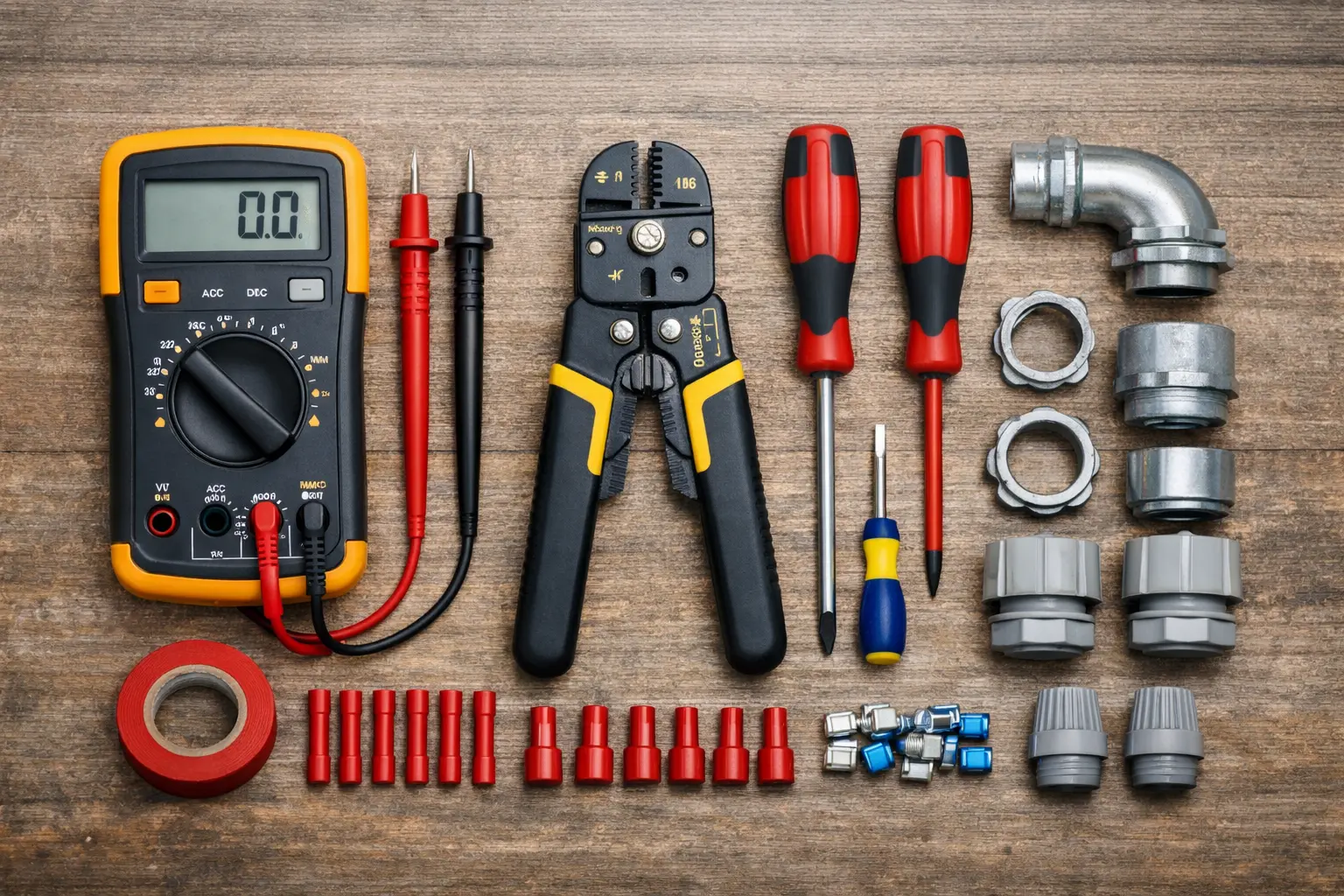
Electrical trade tools including a multimeter, wire stripper, and conduit fittings laid out on a work surface

Roles That Benefit from This Test

Use this test when accuracy and safety knowledge directly affect the job. As a mechanical aptitude test for electricians and trade workers, it works well for:

  1.       Electricians and electrician helpers
  2.       Maintenance technicians
  3.       HVAC and facilities workers
  4.       Production line workers with electrical duties
  5.       Quality control staff in industrial settings

If a wrong new hire could cause downtime, injury, or equipment damage, this test helps you screen with confidence. One small error in wiring can cost far more than the time it takes to test.

Electrical Mechanical Worker
Employtest Comparison

Frequently Asked Questions

What is an electrical mechanical aptitude test?

An electrical mechanical aptitude test is a pre-employment screening tool that checks how well a candidate understands electrical systems, wiring, safety practices, and mechanical concepts. It is used by hiring teams to verify that an applicant has the real-world knowledge the job requires, not just what they wrote on a resume.

EmployTest’s version covers 21 multiple-choice questions across topics like wiring, current types, safety practices, and electrical terminology. Candidates finish in under 20 minutes.

Who should take an electrical mechanical aptitude test?

This test is a strong fit for any role where electrical or mechanical knowledge directly affects the job. Common examples include:

  •       Electricians and electrician helpers
  •       Maintenance technicians in industrial and commercial settings
  •       HVAC technicians with electrical duties
  •       Production line workers handling equipment setup or repair
  •       Quality control staff in manufacturing environments

If a hiring mistake in the role could cause downtime, a safety issue, or equipment damage, this test belongs in your screening process.

How long does the electrical mechanical aptitude test take?

Most candidates finish in under 20 minutes. The test has 21 multiple-choice questions. There are no downloads or installs required. Candidates take it online and you get the score report the moment they finish.

Candidates never see their own score. Results go straight to your dashboard.

What topics does the electrical mechanical aptitude test cover?

The test covers nine topic areas that reflect real tasks in electrical and mechanical roles:

  •       Wiring — identifying correct setups and spotting errors
  •       Safety practices — rules that protect workers and equipment
  •       Current types — AC vs. DC and how each is used
  •       Grounding and standards — code compliance basics
  •       Commercial vs. residential setups — key differences in application
  •       Electrical terminology — Ohm, Watt, Volt, and how they relate
  •       Tools and equipment — matching the right tool to the job
  •       Lighting — basic concepts for installation and maintenance
  •       Circuit basics — series, parallel, and fault identification

How is the electrical mechanical aptitude test scored?

Each completed test generates a score report right away. The report shows:

  1.  An overall score as a percentage
  2.  A percentile ranking compared to all other test takers in the database
  3.  Accuracy by topic, broken down by basic, intermediate, and advanced questions
  4.  Time spent per question and right/wrong status for every item

The percentile ranking is the most useful number when comparing candidates. It tells you how someone performed relative to everyone else who has taken the test, not just whether they got a certain number right.

How much does this cost?

Pricing is simple and flexible as your needs change. Each test completed uses one test credit. (See pricing for credits)

Can I get a free sample before I purchase?

Yes, just visit Try for Free to provide your information and we’ll send a free sample of the test you request.

How it Works

Wicon 1
BUY TEST CREDITS
Wicon 2
SIGN INTO DASHBOARD
Wicon 3
CHOOSE TESTS
Wicon 4
EMAIL TEST SESSIONS